Every 12 seconds, another Australian throws away a mobile phone. By the time you finish reading this sentence, three more smartphones have joined the 23 million already rotting in our landfills this year.
This isn’t just an environmental disaster; it’s economic madness. Australia dumps $430 million worth of recoverable materials into the ground annually whilst importing new devices to replace perfectly repairable ones.
Here’s the shocking truth about Australia’s electronic waste crisis and why your next disposal decision matters more than you think.
Key Takeaways:
- We’re drowning in devices: Australia generates 500,000+ tonnes of e-waste yearly (20kg per person), triple the global average
- Recycling is broken: Only 22% gets properly recycled; most ends up in low-efficiency processing or landfills
- Your old devices are hoarded: 26 million unused phones sit in Australian homes whilst 5 million get thrown away annually
- Gaming consoles have no safety net: Unlike phones, consoles lack dedicated recycling programs despite major environmental impact
- Repair could save 80% of “broken” devices: Professional repair prevents toxic waste whilst costing far less than replacement
The Shocking Scale of Australia’s Electronic Waste Emergency
Picture the Melbourne Cricket Ground filled to the brim with broken phones, dead tablets, and discarded gaming consoles. Now imagine filling it 12 more times. That’s how much electronic waste Australia generates every single year.
We produce approximately 500,000 to 511,000 tonnes of e-waste annually. That’s roughly 20 kilograms per person, nearly triple the global average of 7kg.
But here’s where it gets truly alarming: we’re on track to generate 657,000 tonnes by 2030, a 30% increase in just six years. Recent analyses, including Australia’s E-waste Problem, tie rapid device turnover to escalating landfill risks and significant resource loss.
Your Personal E-Waste Footprint
If you’re an average Australian, you’ll throw away:
- 2-3 mobile phones every 5 years
- 1 tablet every 3-4 years
- 1 gaming console every 6-8 years
- Multiple accessories, chargers, and small electronics annually
The cost isn’t just environmental. Manufacturing a single iPhone requires 12,000 to 15,000 litres of water and generates 89 kilograms of CO2, equivalent to driving 400 kilometres.
Where Your Old Devices Actually End Up
Think you’re recycling responsibly? The reality might shock you. Here’s what actually happens to Australia’s electronic waste:
The Broken Recycling System
Only 22.3% of e-waste gets formally recycled in Australia. About 54% is collected, but here’s the kicker: roughly 80% of that goes through low-efficiency processing that fails to recover valuable materials properly.
The disposal breakdown looks like this:
- 22-25%: Proper high-efficiency recycling
- 25-30%: Low-efficiency recycling (mostly waste)
- 25-30%: Hoarded in homes and storage
- 20-25%: Straight to landfill

Mobile Phones: A Recycling Success Story with Problems
Australia’s Mobile Muster programme shows what’s possible when recycling is done right. In 2024, they collected 109 tonnes of mobile devices with an impressive 95% material recovery rate.
The programme operates over 3,500 drop-off points nationwide, giving 91% of Australians access within 10 kilometres of their home.
Yet despite this infrastructure, approximately 23 million mobile phones still end up in landfills each year. Meanwhile, an estimated 26 million unused phones sit forgotten in Australian homes.
Gaming Consoles: The Forgotten E-Waste
Gaming consoles face a unique problem: they don’t have a dedicated national recycling scheme. Unlike phones and computers, consoles must rely on general e-waste collection points.
This matters because:
- Console manufacturers release new generations every 6-8 years, driving frequent upgrades
- A PlayStation 4 generates approximately 89kg of CO2 during production
- Consoles contain valuable rare earth metals and lithium-ion batteries
- Gaming contributes to the global 50 million tonnes of annual e-waste
Tablets: Caught in the Middle
Tablets fall under the National Television and Computer Recycling Scheme (NTCRS), which collects approximately 70,000 tonnes of devices annually. About 50% achieves high-efficiency recycling.
Apple offers free recycling through their Trade In programme with prepaid shipping labels, but many users remain unaware of proper disposal methods.
The Hidden Environmental Cost of Your Tech Choices
When your iPhone screen cracks or your PlayStation overheats, your next decision creates a massive environmental ripple effect. Here’s what most Australians don’t realise about the true cost of replacement versus repair.
Manufacturing: The Real Environmental Villain
Smartphone production accounts for 85-95% of a device’s total carbon footprint over its entire lifecycle. This means the environmental damage is done before you even turn it on.
Every time you replace instead of repair, you’re essentially:
- Triggering 12,000-15,000 litres of water consumption
- Generating 89kg of CO2 emissions
- Demanding rare earth mining from environmentally sensitive areas
- Creating toxic manufacturing waste in developing countries
The Toxic Time Bomb in Landfills
Electronic waste contributes approximately 70% of toxic chemicals found in Australian landfills, despite making up less than 2% of total waste volume.
These toxins include:
- Lead: Comprises 40% of electronics in landfills, causing soil and water contamination
- Mercury: Found in screens, affects nervous systems and accumulates in food chains
- Cadmium: From batteries, causes kidney damage and cancer risks
- Brominated flame retardants: Interfere with hormones and cause developmental issues
Rural communities bear the worst burden: an estimated 80% of electronic waste from rural households ends up in landfills due to limited collection options.

The Repair Solution: Why Fixing Beats Replacing
Here’s a fact that might surprise you: professional repair shops report that 80% of devices brought in as “unrepairable” can actually be fixed. The environmental mathematics are compelling.
Repair vs Replace: The Environmental Scorecard
Professional Device Repair:
- Reduces carbon impact by up to 90% compared to manufacturing new
- Extends device lifespan by 2-5 years on average
- Prevents toxic materials from entering landfills
- Costs 60-80% less than replacement
- Supports local jobs and circular economy principles
Device Replacement:
- Triggers full manufacturing carbon footprint (85-95% of lifecycle emissions)
- Requires rare earth mining and toxic manufacturing processes
- Adds to e-waste stream immediately
- Costs 3-5 times more than professional repair
- Perpetuates throwaway culture
Real Success Stories: Devices Saved from E-Waste
Water Damage Recovery: Despite popular myths about rice, professional technicians report 80-90% success rates for water-damaged devices treated with 99% isopropyl alcohol within the first few hours. Using 99% isopropyl alcohol and proper cleaning techniques, phones thought “destroyed” often return to full functionality.
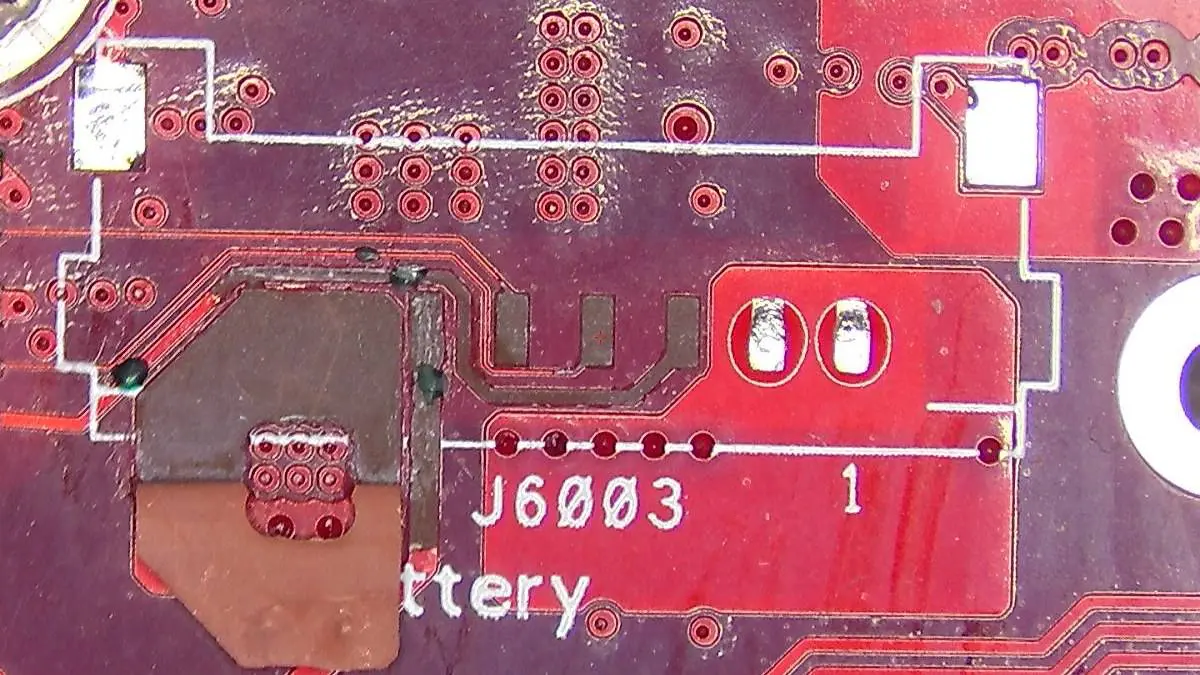
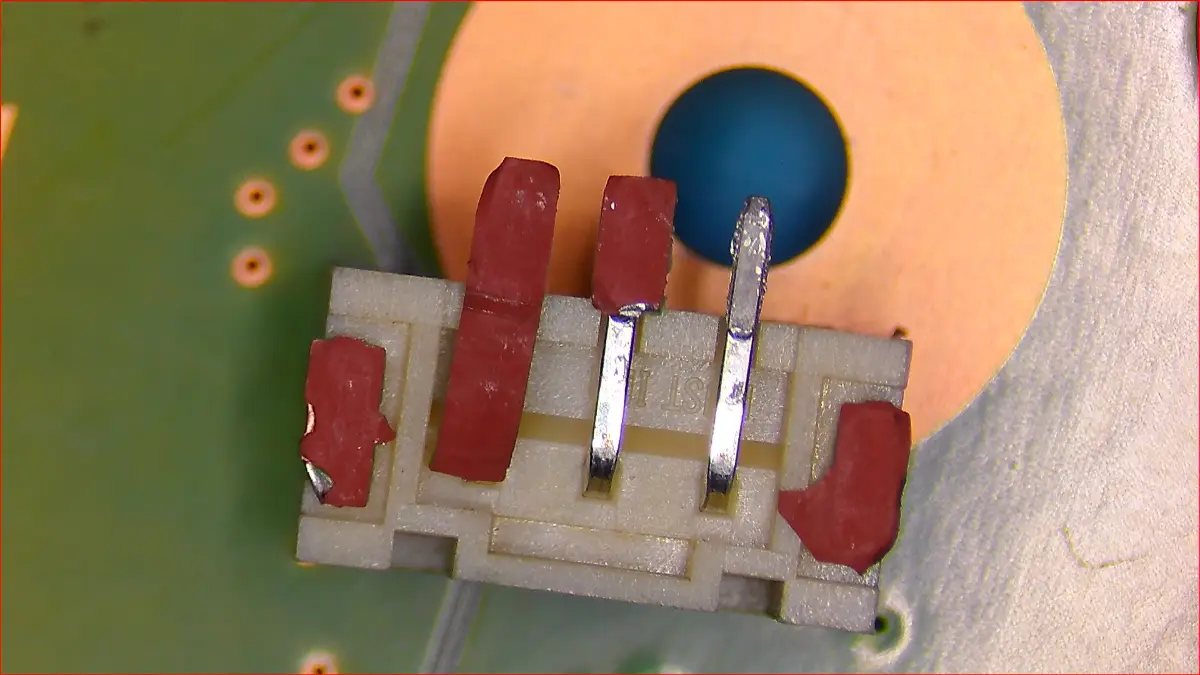
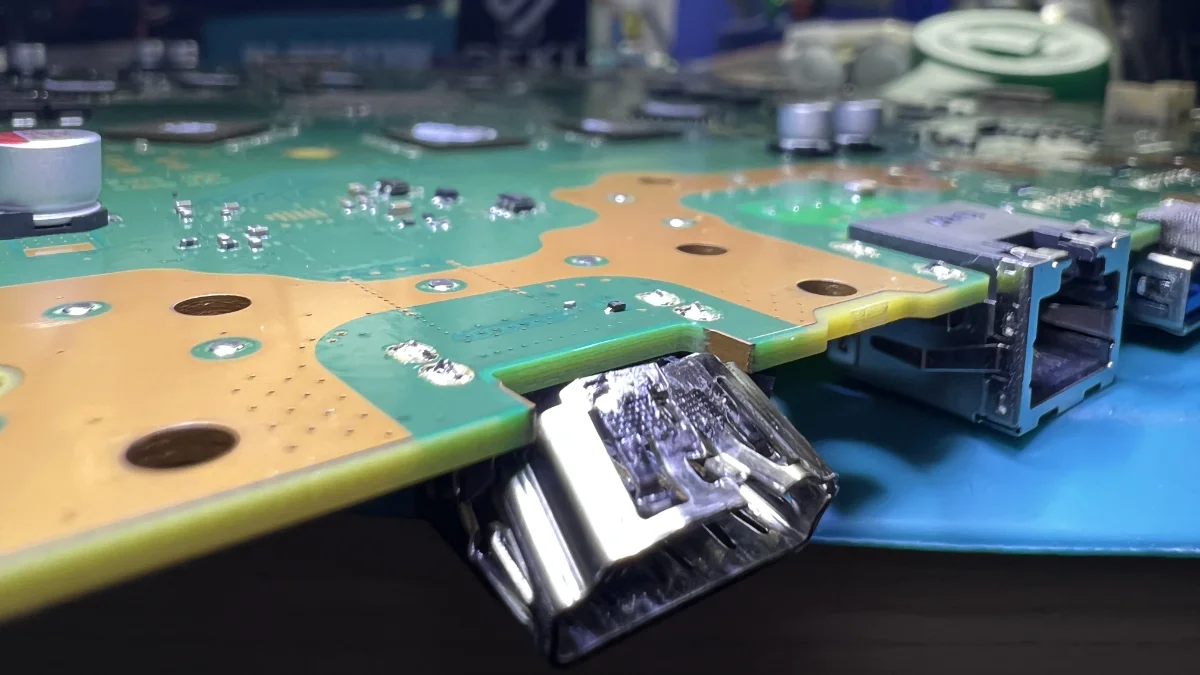
Gaming Console Revival: HDMI port failures account for 75% of “dead” PlayStation consoles. These repairs typically cost $150-$300 and extend console life by 3-5 years, preventing premature e-waste generation.
Screen Replacement Benefits: Replacing a cracked screen costs approximately $100-200 but saves the environmental impact of manufacturing an entire new device, equivalent to preventing 70kg of CO2 emissions.
What “Unrepairable” Actually Means in Australia
Many devices labelled “unrepairable” by consumers can actually be restored by certified technicians:
- Water damage: 90% success rate when treated immediately with professional techniques
- Cracked screens: Almost always repairable, preventing full device replacement
- Charging port failures: Common issue with 95% repair success rate
- Gaming console overheating: Usually fixable with proper cleaning and thermal paste replacement
- Battery degradation: Replacement costs $50-$150 vs $800+ for new device
Australia’s Recycling Programmes: The Good and the Gaps
Australia operates several world-leading e-waste programmes, but significant gaps remain. Understanding what works (and what doesn’t) helps you make better disposal decisions. Policy debates referenced in The Rising Problem of E-waste in Australia highlight ongoing funding and infrastructure shortfalls.
Mobile Muster: A Global Success Model
Mobile Muster represents one of the world’s most successful industry-led recycling programmes:
- Collection network: Over 3,500 drop-off points nationwide
- Accessibility: 91% of Australians live within 10km of a collection point
- Recovery rate: 95% of materials successfully recovered for reuse
- Environmental impact: 2024 collections prevented 328 tonnes of CO2 emissions
- Resource savings: Recovered 461 tonnes of mineral resources
The programme accepts mobile phones, batteries, chargers, and accessories completely free of charge.

National Television and Computer Recycling Scheme (NTCRS)
The NTCRS handles larger electronics including computers, printers, and tablets:
- Annual collection: Approximately 70,000 tonnes
- Coverage: TVs, computers, computer accessories, and tablets
- Efficiency: About 50% achieves high-efficiency recycling
- Accessibility: Available through councils and major retailers
The Gaming Console Gap
Gaming consoles remain the most problematic category. Without dedicated schemes, they rely on:
- General municipal e-waste collection (limited and inconsistent)
- Retailer trade-in programmes (not comprehensive)
- Private e-waste collectors (variable quality)
This gap becomes critical as gaming popularity grows and console generations turn over every 6-8 years.
What You Can Do Right Now
Individual action, multiplied across millions of Australians, can drive significant change. Here’s your action plan.
Before You Dispose: The 5-Minute Check
Before throwing away any electronic device, ask these questions:
- Is it actually broken? Many “dead” devices just need battery replacement or simple repairs
- Have you tried a certified repair shop? Get a diagnosis before assuming it’s unrepairable
- Could it be useful to someone else? Check community groups or charity organisations
- Have you backed up your data? Ensure personal information is completely removed
- Do you know the proper disposal method? Use certified recycling, never general rubbish
Choosing Repair Over Replacement
When considering device repair:
- Get multiple quotes: Repair costs vary significantly between providers
- Ask about warranties: Reputable repair shops offer 90+ day guarantees
- Consider environmental impact: Repair typically prevents 70-90% of replacement emissions
- Factor in data preservation: Repair maintains your existing setup and data
Proper Disposal When Repair Isn’t Viable
Mobile Phones: Use Mobile Muster drop-off points at major retailers, post offices, or council facilities.
Tablets and Computers: Take advantage of NTCRS collection points or manufacturer take-back programmes.
Gaming Consoles: Contact local councils for e-waste collection events or use specialist electronics recyclers.
Never: Put electronic devices in household rubbish bins or leave them for general collection.
How Australian Repair Services Are Fighting E-Waste
Across Australia, certified repair technicians are quietly waging war against electronic waste. Their success stories demonstrate the massive potential of prioritising repair over replacement.
The Environmental Mathematics of Repair
Professional repair services report remarkable environmental benefits:
- Device longevity: Professional repairs extend average device life by 2-5 years
- Success rates: 80-90% of devices deemed “unrepairable” by consumers can be restored
- Carbon savings: Each repaired device prevents 70-200kg of CO2 emissions from manufacturing
- Resource conservation: Repair saves rare earth elements equivalent to mining 2-5 tonnes of ore per device
Local Success Stories
Australian repair businesses demonstrate the sector’s environmental impact:
Water Damage Recovery: Specialist technicians using proper alcohol cleaning techniques achieve 85% recovery rates for water-damaged devices.
Gaming Console Revival: HDMI port repairs on PlayStation and Xbox consoles cost $150-$300 but prevent disposal of devices worth $500-$800, extending lifespan by 3-5 years.
Screen Replacement Success: Professional screen repairs cost 20-30% of replacement cost whilst preventing the environmental impact of manufacturing an entire new device.
Conclusion: The Choice Is Yours
Australia stands at a critical juncture in electronic waste management. We can continue the current trajectory toward 657,000 tonnes annually by 2030, or we can choose a different path.
The evidence is clear: repair works. Professional restoration saves 80% of devices deemed “unrepairable” by consumers whilst preventing enormous environmental costs. Australian repair services demonstrate this daily, turning potential e-waste into functional devices with extended lifespans.
Yet systemic change requires individual choices. Every time you choose professional repair over immediate replacement, you:
- Prevent 70-200kg of CO2 emissions from new device manufacturing
- Save 12,000-15,000 litres of water consumption
- Avoid contributing to toxic landfill contamination
- Support local employment and circular economy principles
- Save 60-80% compared to replacement costs
The mobile phone in your pocket, the gaming console in your lounge, the tablet on your desk: these devices represent both environmental challenge and opportunity. Their next chapter depends entirely on the choices you make.
Before you throw anything away, ask yourself: could this be repaired instead? The answer might surprise you. More importantly, it might help save our planet.
Stronger regulation, producer responsibility and wider access to certified collection can reverse current trends; see E-Waste: Australia’s Hidden ESG Nightmare for more analysis on the policy challenges ahead.
Ready to explore repair options for your devices? Contact certified repair specialists in your area for a diagnosis and an assessment of your repair options. Many “broken” devices are just a simple repair away from years of additional service life.
Find your nearest e-waste recycling point: Visit the Mobile Muster website or contact your local council for proper disposal options when repair isn’t viable.
Frequently Asked Questions
How big is Australia’s e-waste problem right now?
Australia generates approximately 500,000-511,000 tonnes of electronic waste annually, about 20kg per person, nearly triple the global average. Only around 22% receives proper recycling, whilst projections show a 30% increase to about 657,000 tonnes by 2030. This makes Australia one of the world’s largest per-capita e-waste producers.
Why are mobile phones, tablets and gaming consoles particularly problematic?
These devices drive e-waste growth through rapid replacement cycles. Mobile phones see 5 million discarded annually with only 20% properly recycled, despite excellent programmes like Mobile Muster. Gaming consoles lack dedicated recycling schemes and face frequent generation turnover (PS4 production alone generates ~89kg CO2). Tablets fall under NTCRS but many users remain unaware of proper disposal methods. All three categories contain valuable materials and toxic substances requiring specialist handling.
What environmental and safety harms arise from improper disposal?
E-waste contributes approximately 70% of toxic chemicals in Australian landfills despite representing less than 2% of waste volume. Devices release lead, mercury, cadmium and brominated flame retardants that contaminate soil and water whilst bioaccumulating in food chains. Lithium-ion batteries cause fires in waste trucks and facilities. Manufacturing footprints are enormous: smartphone production accounts for 85-95% of lifecycle CO2, requiring 12,000-15,000 litres of water per device. Proper repair and recycling can reduce these impacts by up to 90%.
What systemic gaps prevent better e-waste outcomes?
Major barriers include uneven state regulations (Victoria bans landfill disposal whilst other states lag), limited rural access to collection points, fragmented producer responsibility coverage, and predominantly low-efficiency recycling. Gaming consoles particularly lack dedicated schemes. Consumer awareness remains low: 67% are unfamiliar with mobile recycling programmes. Current disposal patterns show only 22-25% proper recycling, 25-30% low-efficiency processing, 25-30% hoarding, and 20-25% landfill disposal.
What practical actions will reduce Australia’s e-waste burden?
Solutions require coordinated action: expand producer responsibility with national standards, boost rural collection infrastructure, introduce right-to-repair legislation, create gaming console recycling schemes, and scale certified repair services. Individual actions include professional device assessment before disposal, choosing repair over replacement where viable, proper recycling through certified programmes, and supporting repairability when purchasing new devices. Evidence shows repair can save 80% of “unrepairable” devices whilst cutting environmental impact by up to 90%.
References
- Powerwells. Australia’s E-waste Problem. https://www.powerwells.org/blog/australiasewasteproblem
- Centre for Optimising Structures. The Rising Problem of E-waste in Australia. https://www.cos.net.au/c/cospedia/problem-of-e-waste-in-australia
- TechRepublic. E-Waste: Australia’s Hidden ESG Nightmare. https://www.techrepublic.com/article/australian-it-pros-mitigate-data-leaks-e-waste/
- Department of Climate Change, Energy, the Environment and Water. E-waste. https://www.dcceew.gov.au/environment/protection/waste/e-waste
- Mobile Muster. Annual Report 2024. https://www.mobilemuster.com.au/annual-report-2024/
- Mobile Muster. Go for Zero Campaign 2023. https://www.mobilemuster.com.au/news-go-for-zero-2023/
- Apple Support. If your iPhone gets wet. https://support.apple.com/en-us/HT207043
- Apple Support. iPhone warranty coverage. https://support.apple.com/en-us/HT204104
- Apple Support. About Liquid Contact Indicators on iPhone. https://support.apple.com/en-us/HT210424
- Ecocycle. The controversy around e-waste continues to new heights. https://ecocycle.com.au/the-controversy-around-e-waste-continues-to-new-heights/
- Clean Up Australia. E-waste. https://www.cleanup.org.au/e-waste
- Mongabay. Playing dangerously: the environmental impact of video gaming consoles. https://news.mongabay.com/2022/10/playing-dangerously-the-environmental-impact-of-video-gaming-consoles/
Note: All statistics and data cited in this article are based on the most recent available information from official Australian government sources, industry reports, and peer-reviewed research as of 2024.